Your Gstaad rental roadmap: what matters most
- Gstaad’s positioning: Bernese Oberland luxury hub combining authentic Swiss architecture with contemporary amenities—distinct from St. Moritz or Verbier alternatives
- Location micro-zones matter: village-adjacent convenience versus elevated slope access versus secluded forest privacy present different trade-offs across seasons
- Summer represents untapped opportunity: July-August offers hiking, cultural programming, wellness focus with potentially superior availability compared to peak winter demand
- Booking timeline critical: 6-12 month advance required for peak winter dates, 3-6 months sufficient for summer or shoulder periods
- Verification beyond marketing: accessing curated portfolios through established specialists reduces risk of property-photo discrepancy common in luxury rental markets
The distinctive allure of Switzerland’s most refined mountain village
Positioned at 1,050 meters elevation in Canton Bern’s German-speaking Oberland region, Gstaad functions as the commercial and cultural anchor of the broader Saanen municipality—a geographic designation encompassing multiple villages across a protected Alpine valley. What distinguishes this destination from competing Swiss luxury resorts emerges through observable market patterns rather than marketing rhetoric. The historic 2024 record measured by the Federal Statistical Office shows Swiss tourism achieved 42.8 million overnight stays in 2024, with the summer season from May to October reaching an unprecedented 24.5 million units. This summer performance signals a fundamental market recalibration: Alpine destinations increasingly attract year-round luxury travel rather than serving as seasonal ski resorts.
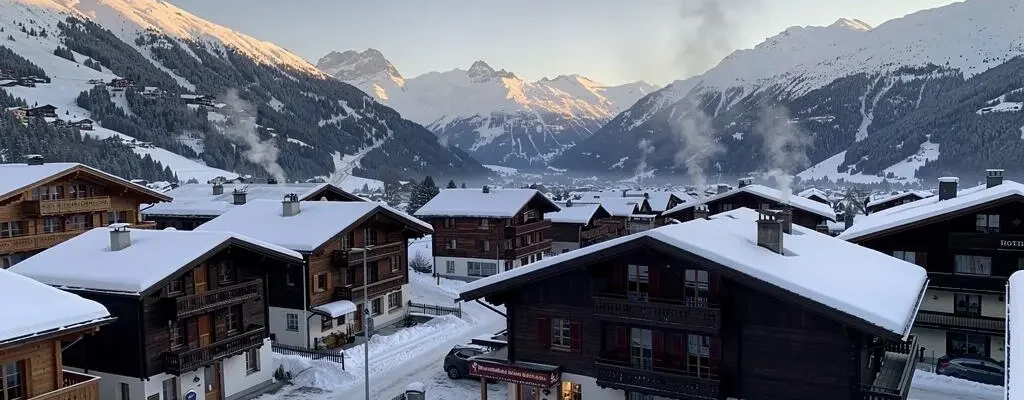
Gstaad’s architectural landscape reflects stringent municipal heritage preservation policies that mandate traditional Bernese Oberland exterior aesthetics even for new construction or renovations. The resulting visual consistency—exposed timber construction, wide protective eaves designed for heavy snow loads, hand-carved balcony railings, stone masonry foundations—creates an authentic village character absent in resorts that permitted modernist concrete structures during mid-20th-century expansion phases. This regulatory framework paradoxically enables rather than constrains contemporary luxury. Property owners achieve modern comfort standards through interior renovations and buried infrastructure while maintaining exterior compliance with traditional forms.
The international client base drawn to Gstaad reflects a demographic shift documented across European Alpine luxury markets. Multi-generational family groups seeking extended stays increasingly outnumber the weekend ski enthusiasts who dominated previous decades. This evolution favors Gstaad’s particular strengths: a multilingual service infrastructure accustomed to international guests, established concierge networks coordinating complex logistics, and a village scale that permits walkability while maintaining privacy. The cultural programming extends well beyond winter months, with the annual Menuhin Festival transforming July and August into a distinct high season for guests prioritizing cultural engagement over athletic pursuits.
Navigating Gstaad’s premier chalet offerings across Saanen municipality
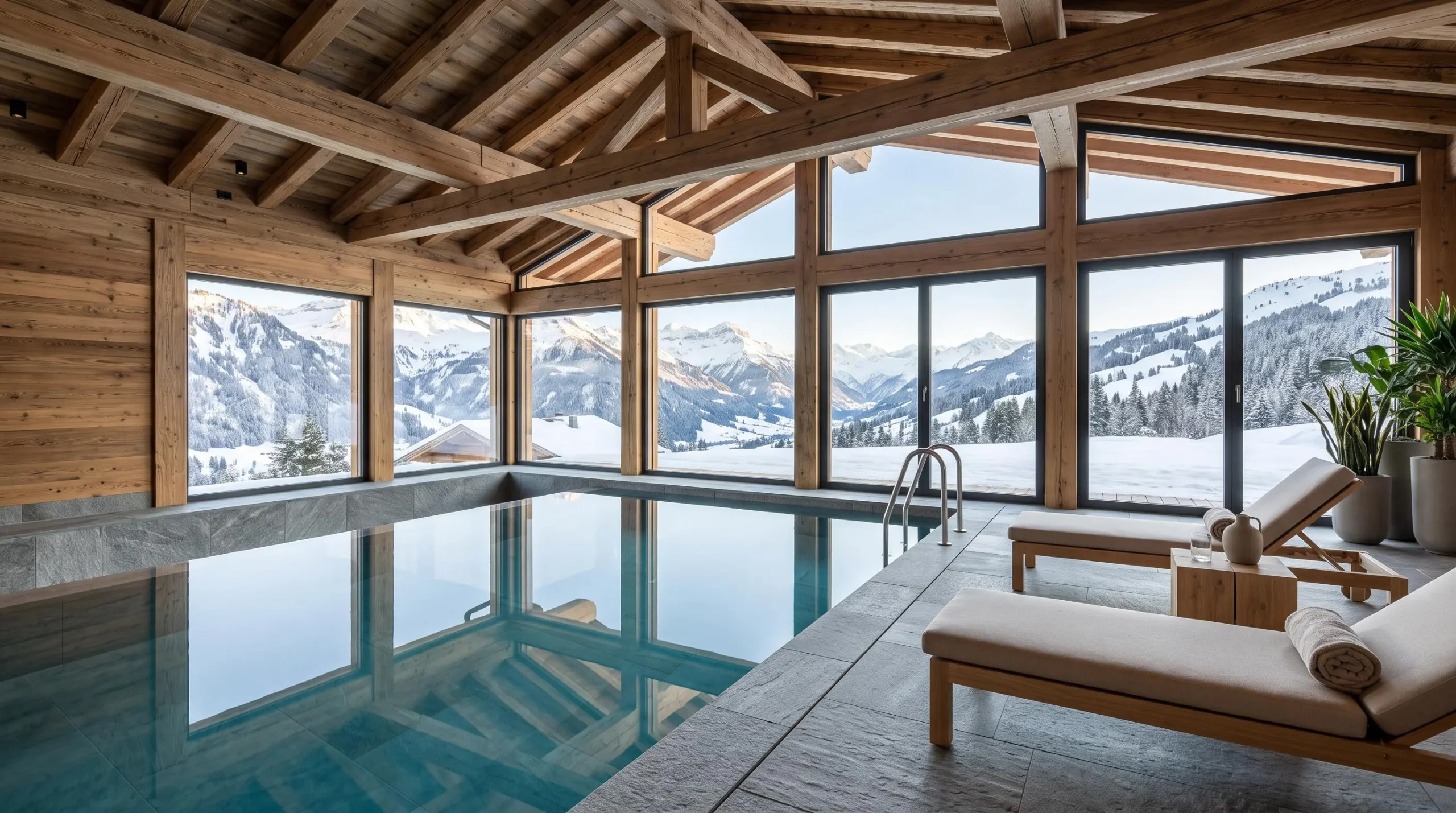
The Saanen municipality’s rental inventory divides into distinct architectural categories that transcend simple luxury classification. Traditional chalets emphasize authenticity: aged timber with natural patina, functional fireplaces, historical ceiling heights, and amenity integration respecting structural limitations. Contemporary Alpine fusion properties adopt traditional exterior vocabularies while permitting modern interior volumes—double-height living spaces, floor-to-ceiling glazing, integrated home automation, and purpose-built wellness facilities including private spas and heated pools. Selection depends on whether guests prioritize historical immersion or contemporary spatial comfort.
Geographic positioning within the municipality presents strategic choices with concrete seasonal implications. Discerning guests benefit from accessing chalet for sale or rentals in Gstaad Saanen, where properties range from village-adjacent convenience to private mountain retreats. Village-center proximity delivers immediate walking access to Gstaad’s commercial infrastructure while accepting moderate ambient activity. Elevated slope-side positioning prioritizes winter ski access and panoramic views, trading village walkability for tranquility and commanding premium rates during peak ski season. Secluded valley locations offer maximum privacy and summer hiking trail access but require vehicle dependency.
| Location Type | Winter Slope Access | Summer Appeal | Privacy Level | Village Services |
|---|---|---|---|---|
| Village-adjacent (Gstaad center proximity) | Shuttle or short drive to main slopes | Immediate access to shops, restaurants, cultural events | Moderate—neighborhood setting | Walking distance to all amenities |
| Elevated slope-side (Mid-mountain positioning) | Direct ski-in/ski-out or minimal walk to lifts | Trailhead access, panoramic views, quieter environment | High—fewer neighboring properties | 5-15 minute drive or shuttle to village center |
| Secluded forest retreat (Saanen valley outer areas) | 10-20 minute drive to main ski areas | Complete tranquility, private hiking, forest environment | Maximum—isolated positioning | 15-25 minute drive, vehicle recommended |
Property verification extends beyond reviewing professional photography to understanding operational management structures. Premium Gstaad rentals operate through dedicated property management entities rather than individual owner arrangements, manifesting in transparent communication protocols, documented service-level agreements, and local emergency response capabilities. As specified by the official regulations of Gstaad Saanenland Tourismus, property owners renting to fee-paying guests must register within 14 days and arrange visitor’s tax (Kurtaxe) settlement—a mandatory municipal levy funding tourism infrastructure. Established management firms handle these administrative requirements seamlessly.
Regulatory context: Switzerland’s federal tourism framework delegates visitor tax collection to municipal authorities. In Saanen municipality, this mandatory per-person daily charge finances destination marketing, trail maintenance, and cultural programming. Rates vary by village and season but typically represent a modest supplement to rental rates. Reputable property managers integrate this cost transparently in final pricing breakdowns rather than presenting it as an unexpected additional charge.
Seasonal rhythms and tailored experiences beyond the slopes
Market analysis reveals a significant disconnect between Gstaad’s actual seasonal offerings and the winter-skiing narrative dominating search behavior and competitor marketing. The December-to-March winter season certainly attracts peak demand and commands premium pricing, particularly during February school holiday periods when international families converge on the destination. Yet the July-to-August summer calendar presents compelling advantages for guests willing to reconsider seasonal assumptions. The 70th Menuhin Festival Gstaad programming spans July 16 through September 5 in 2026, presenting over 75 concerts across historic churches in Saanen, Zweisimmen, Lauenen, Gsteig, and Rougemont, supplemented by performances in the village’s festival tent. This cultural infrastructure transforms summer weeks into a distinct high season for guests prioritizing world-class chamber music and orchestral performances over athletic pursuits.
Summer recreational programming extends well beyond festival attendance. The Saanenland valley’s network of maintained hiking trails connects villages through Alpine meadows, forest paths, and elevated routes offering panoramic Bernese Oberland views. Trail difficulty ranges from valley-floor family-appropriate walks to challenging full-day ascents reaching 2,000-meter peaks. July and August deliver statistically reliable weather windows with extended daylight hours, moderate temperatures ideal for outdoor activity, and wildflower meadows at peak bloom. The reduced visitor density compared to winter peak periods means restaurant reservations become feasible without month-advance planning, and rental property availability permits greater booking flexibility.
Premium chalet rentals typically include comprehensive coordination of documented property management benefits encompassing everything from pre-arrival provisioning to daily housekeeping and activity arrangements. Property managers coordinate private chef services for in-chalet dining, arrange spa treatments in properties with wellness installations, procure ski passes or hiking guide services depending on season, and maintain 24/7 local contact for immediate issue resolution. The most frequently requested customization in recent seasons has been pre-arrival grocery and beverage provisioning according to detailed guest preferences.
Wellness-focused stays represent a growing segment particularly concentrated in shoulder seasons (April-May and September-October) when neither skiing nor summer hiking dominate the activity calendar. Chalets equipped with private spa facilities—saunas, steam rooms, massage treatment spaces, heated pools—permit guests to structure retreats around relaxation, digital detox, and mountain environment immersion rather than scheduled activities. The reduced seasonal demand during these periods often yields advantageous availability and pricing compared to peak winter or summer festival weeks.
Essential considerations when securing your Alpine retreat

Booking timeline strategy directly impacts both availability and negotiating position. Industry specialists recommend initiating searches 8-12 months in advance for peak winter dates, particularly the February school holiday period when demand from international families reaches annual highs. Premium properties with established reputations receive repeat bookings from returning guests, creating effective pre-market reservation that never reaches public listing channels. Summer high season (July-August) and shoulder periods permit shorter timelines—typically 3-6 months proves sufficient, though specific event weekends warrant earlier action.
- Request floor plans with room dimensions, not just stylized layouts—verify bedroom count matches guest capacity realistically
- Confirm specific amenities functionality: pool heating schedule, sauna availability, fireplace operation permissions, wine cellar access terms
- Identify property manager’s local presence and emergency response protocol—24/7 local contact critical for immediate issue resolution
- Clarify exact location within Saanen municipality using map coordinates—’Gstaad area’ can span 15km+ with vastly different access implications
- Obtain transparent cost breakdown: base rate, mandatory fees (tourist tax, cleaning), optional services, deposit terms, cancellation policy milestones
- Ask for recent guest references or third-party verification—established properties with consistent management provide verifiable track records
What is typically included in Gstaad luxury chalet rental rates versus charged separately?
Base rental rates generally include property access, standard linens, basic utilities, and WiFi. Separately charged items typically include tourist tax (Kurtaxe—mandatory municipal fee), final cleaning, firewood for fireplaces, premium wine cellar access, private chef or catering services, ski pass procurement, and airport transfer coordination. Transparency varies by property and management company—confirm inclusions explicitly before commitment.
Do Gstaad chalets require week-long minimum stays or can shorter periods be booked?
Peak winter season (December-March, particularly February school holidays) typically enforces Saturday-to-Saturday weekly minimums. Shoulder seasons (November, April) and summer months often permit 3-4 night minimum stays with more flexible check-in/out dates. Weekend-only bookings remain rare even during off-peak periods for luxury properties. Policies vary by individual property—flexibility exists but requires specific inquiry.
How far in advance should Gstaad luxury chalets be reserved for specific dates?
For peak winter dates (Christmas-New Year, February half-term school holidays): 8-12 months advance booking essential, as premier properties receive repeat reservations. Summer high season (July-August) and shoulder periods: 3-6 months typically sufficient. Last-minute availability (under 30 days) exists occasionally due to cancellations but relies on flexibility regarding specific property choice.
What accessibility considerations apply for reaching Gstaad chalets in winter?
Gstaad benefits from reliable winter road maintenance, with primary access via Zweisimmen train connection or road from Lake Geneva region. Swiss regulations require winter tires November-April; snow chains mandatory in vehicle for mountain access even if not always deployed. Elevated chalet locations may require 4WD vehicles during heavy snowfall. Airport transfers from Geneva (2 hours) or Zurich (3 hours) via professional drivers familiar with Alpine winter conditions recommended for international arrivals.
Pricing structures in Gstaad’s luxury rental market reflect property characteristics, seasonal demand, and included services rather than following standardized rate cards. Weekly rentals during peak winter season command premium positioning, while shoulder periods and summer weeks often present advantageous value for comparable properties. The critical variable lies in understanding what base rates actually include versus supplemental charges applied separately. Streamlining the search process begins with understanding your specific requirements and connecting with specialists who can match them to verified properties—explore approaches to the systematic search methodology tailored to luxury Alpine markets.